Contents
Secure Engineering and SecOps - Security’s Dynamic Duo
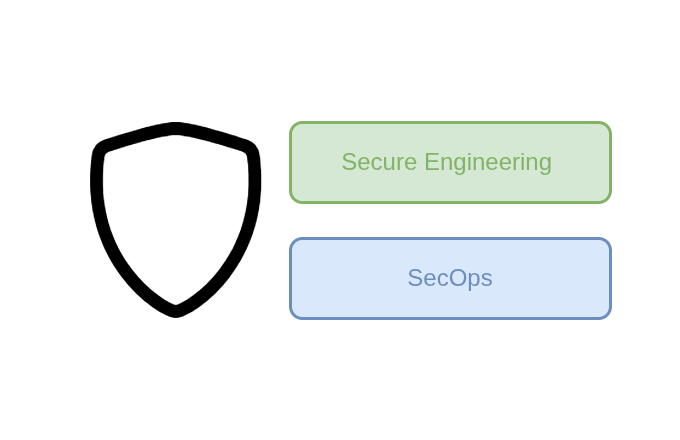
The main difference between SecOps and Security Engineering comes down to timing and focus. SecOps is more reactive—it’s about fighting off threats as they happen in real time. Security Engineering, on the other hand, is proactive—it’s about building defenses into systems from the start so problems don’t pop up later. Both are crucial, and together they form the foundation of a solid cybersecurity strategy.
Let's create a quick breakdown of the core, distinct responsibilities characterizing each function.
Security Operations (SecOps)
SecOps focuses on the day-to-day activities and processes aimed at monitoring, detecting, responding to, and mitigating cybersecurity incidents and vulnerabilities. This function is centered on the real-time defense of an organization’s infrastructure and data.
| Core SecOps Responsibilities (Reactive Focus) | Details |
|---|---|
| Incident Monitoring and Detection | Using tools like Security Information and Event Management (SIEM) systems to monitor networks for signs of suspicious activity, such as malware or unauthorized access, and alerting teams to potential threats. |
| Incident Response | Springing into action when a threat is detected, which involves investigating the event, containing the threat, eradicating compromised elements, and restoring systems to normal functionality. |
| Vulnerability Management | Identifying and mitigating vulnerabilities primarily through applying patches and updates, and using scanning tools to find weaknesses before they can be exploited by attackers. |
| Threat Intelligence | Gathering and analyzing threat intelligence to stay informed about emerging threats, new vulnerabilities, attack vectors, and exploit techniques. |
| Compliance and Reporting | Handling the administrative aspects of cybersecurity, including generating logs, tracking incidents, and ensuring compliance with regulations (e.g., GDPR, HIPAA, CCPA). |
| Tools and Techniques | Relying heavily on monitoring tools, threat intelligence, and incident response playbooks to quickly detect and mitigate threats. |
Security Engineering
Security Engineering is defined as the design and architecture of security systems and infrastructure. This function is proactive, focused on creating and implementing solutions that prevent breaches before they happen, ensuring the organization's overall security posture is solid from the ground up.
| Core Security Engineering Responsibilities (Proactive Focus) | Details |
|---|---|
| Security Architecture Design | Building and maintaining secure infrastructures by designing security protocols, firewalls, intrusion detection/prevention systems (IDS/IPS), and data encryption mechanisms. They design robust systems to prevent unauthorized access and data breaches, adhering to principles like defense in depth. |
| System Hardening | Applying secure configurations, reducing unnecessary services, and implementing least privilege access policies to secure systems. |
| Development of Security Solutions | Deep involvement in developing custom security tools, automation scripts, and other specialized solutions to address the organization's unique security requirements for applications, networks, and data. |
| Security Testing and Validation | Performing rigorous testing, such as penetration testing and vulnerability assessments, to identify weaknesses in systems before adversaries can exploit them. |
| Security Automation | Developing systems and workflows specifically to automate repetitive security tasks, ensuring consistency and scalability while reducing the risk of human error. |
| Collaboration with Development Teams | Working closely with developers to ensure security is integrated into the Software Development Lifecycle (SDLC), often encompassing DevSecOps practices. |
| Risk Assessment and Management | Identifying potential threats to digital assets and prioritizing them based on the likelihood of exploitation and potential impact, helping the organization allocate resources appropriately. This integrates with threat modeling, which systematically analyzes systems to map out the potential attack surface. |
| Policy and Compliance Framework | Defining the security policies and procedures that serve as the backbone of the security framework. This includes compliance and auditing tasks such as identifying security practice gaps and verifying alignment with regulatory requirements. |
TL;DR:
The two go hand in hand—like two sides of the same coin. Security Engineering is all about building systems, networks, and data with strong defenses baked in, kind of like putting up a solid castle wall. Information Security Operations is the team on the watchtowers, ready to spot trouble and fight back fast when attackers show up. Together, they make sure the castle isn’t just well-built, but also well-defended.
back to more articlessecurity Access Policies DevSecOps GRC GRC Management Governance Risk & Compliance Management IMR Incident Monitoring and Response Least Privilege Patch Management Patches and Updates Penetration Testing Proactive versus Reactive Risk Assessment and Management SIEM SecDevOps SecOps Security Architecture Design security information & event management Security Testing and Validation System Hardening Threat Intelligence Threat Modeling Vulnerability Management secure engineering security architecture 2025